Uncategorized
Displaying Gifts in a Small Space

Share:

Share:
One shelf can introduce a considered selection of paper gifts. Give a customer three things they can find quickly: who a gift might suit, what is inside and how it is used.
This short checklist is a place to begin. Use the questions customers ask to decide what the display needs next.
1 / Give Each Choice a Purpose
Choose a few gifts that do different jobs: encouragement, shared memories or a new beginning. Put the main covers where they can be read from the aisle, with enough space to tell the choices apart.
A stand or a lower stack can add height. Keep decoration clear of titles, and place the retail price where it is easy to find. Before adding more stock to the front, check whether each existing item still has a clear view.
2 / Show What a Closed Box Cannot
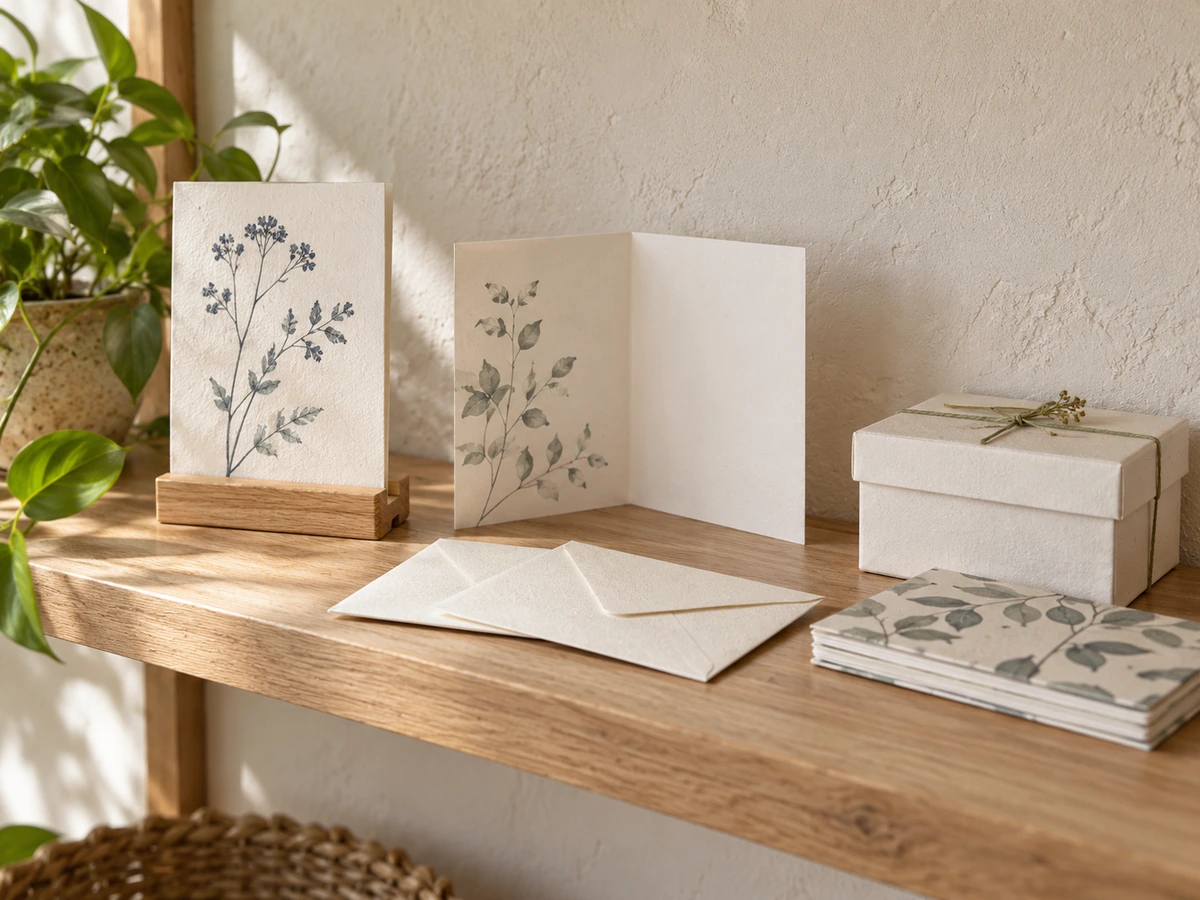
Open one display sample. Show a card’s reverse, the inside of a letter or a keepsake spread. Pick the example that answers the first question customers usually ask.
Label the sample and keep the saleable set complete. If customers can handle the pieces, let them know. A short invitation to take a closer look can make the display easier to explore.
3 / Explain It in Two Lines
Use the first line for the giving situation and the second for the format. For example:
“For someone beginning a new chapter.
A boxed set of illustrated letters.”
Check those words against the actual product. A customer should be able to tell whether the set contains blank stationery, written messages or guided pages. Keep these descriptions with the display when stock moves, so each one stays beside the right item.
4 / Make the Conversation Easy
“Are you choosing for someone in particular?” is a useful opening. Follow the answer with one relevant option and a plain description of what the recipient can do with it.
Refresh the display when samples become worn or stock changes. Keep upcoming designs clearly marked. If the same question comes up often, add the missing answer to the shelf card.
When reviewing a new supplier, ask separately about current availability, samples and ordering terms. Those details belong in the buying conversation, keeping the customer’s view simple.